Origins (Month 6)
In Post-Human class we have to be careful when we say a phrase such as “whole again” because it presumes an originary wholeness. It prescribes a normative “whole” body and in turn alienates or others bodies that don’t meet this molded expectation. We talk about prosthetics and heart transplants. Audre Lorde and Jean-Luc Nancy. We talk about Ishiguro’s Klara and the Sun and care. We talk about the body as a recipient; things are imposed onto it, transposed with it. We talk about how the body is used in analogy, how we should value experience. The posthuman scholars Hayles and Haraway, Braidotti.
It’s funny because, in all this talking about the experiencing body, we seem to only be occupying one realm of the actual experience. We sit in the same classroom for four hours and sing praise to multiplicity, to movement, to the smooth space of potentiality. We are given assignments, we are graded. We live in these rich theoretical texts. (Again, I miss the poetry.) When we speak about medical intervention, I don’t mention that in the last year my fiancé and I underwent his major heart surgery, where the doctors rerouted the flow of his heart and placed synthetic grafts in his heart, how a major one occluded within the first months post-surgery, how his heart found a way to function without it through what they call “collateral veins.” Kees’ body has since experienced a series of “unusual” or “rare” consequences, the doctors forgetting that, since his diagnosis, those words don’t apply to him. When we later speak about Ishiguro’s robot Klara, who waits in the store window to be taken home by a loving family, I don’t mention my adoption. I don’t mention how my body (as an object) originates from some place I’ve never been back to, though many see the evidence of that place coded in my physical features. I don’t think to wonder—until now—why we are talking about robots and literary “traditions” and “movements” when we haven’t even addressed the bodies in the room.
In the first month of grad school, classmates mentioned to me that they had our professor in a previous program. “But he doesn’t remember us,” they said. I thought, what kind of bullshit is that? We are in Masters program in the Humanities and the professors don’t learn our names? Our class blocks are only 2 months long. That professor learned my name as I began to participate in class. Is that the criteria for being identifiable?
As a team of editors for my friend’s new literary journal, we have chosen “Genesis” as the theme of our first issue. In the call for submissions, I ask what are the things we do together and what are the things we do on our own. How do these things connect us to something greater? How do we affect?
The academic posthuman discussion is helpful, too. Perhaps it serves its purpose: to inspire me to crave interaction, to seek out personal momentum/dialogues/messes. To not only live in the classroom or text. I feel I have things to contribute. I want to know and be able to hear my own story, as well as others’.
The title of the A24 Podcast episode with Steven Yeun and Michael Imperioli is “Peninsula Mentality” because what Korea (where Yeun is from) and Italy (where Imperioli is from) have in common is that they’re peninsulas. I of course loved this because I am Korean-Italian-American (& apologies to my mom’s side who is German and Czech; I did not nurture-inherit the German/Czech affinity). To think about Italy and Korea in historic comparison is interesting too—I would first think of Mussolini and the Japanese… What Yeun and Imperioli discuss as a result is a sort of “chip on your shoulder” attitude, or a “chippy superiority” as Yeun says. Imperioli brings up the word sprezzatura, “which means doing something difficult, but making it look like it's very easy.” I think what neither of them were acknowledging was the fact that superiority as performance is usually rooted in an insecurity. I’m not sure where I was going with all of this in relation to origin and genesis, but I think there is something there.
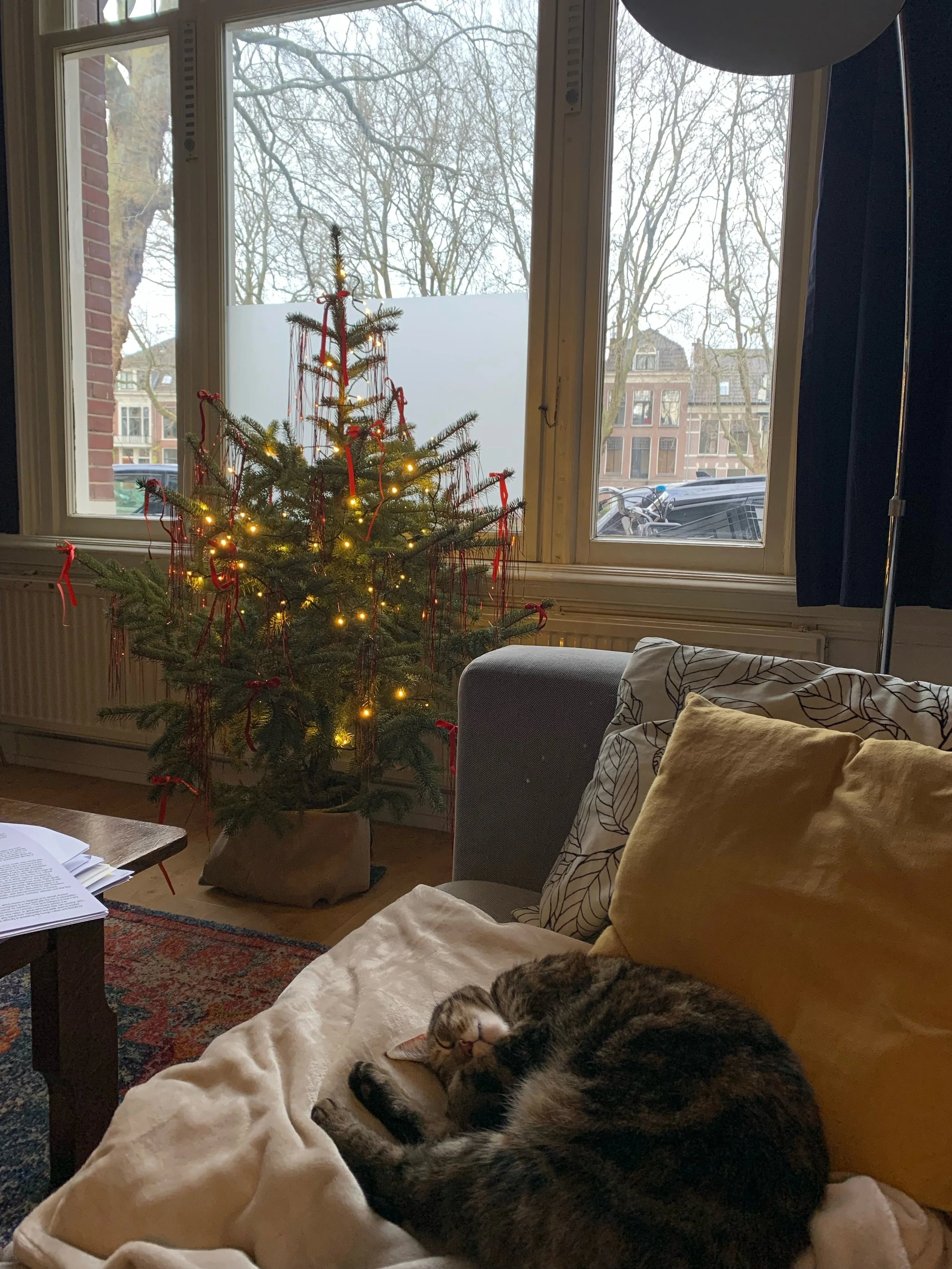
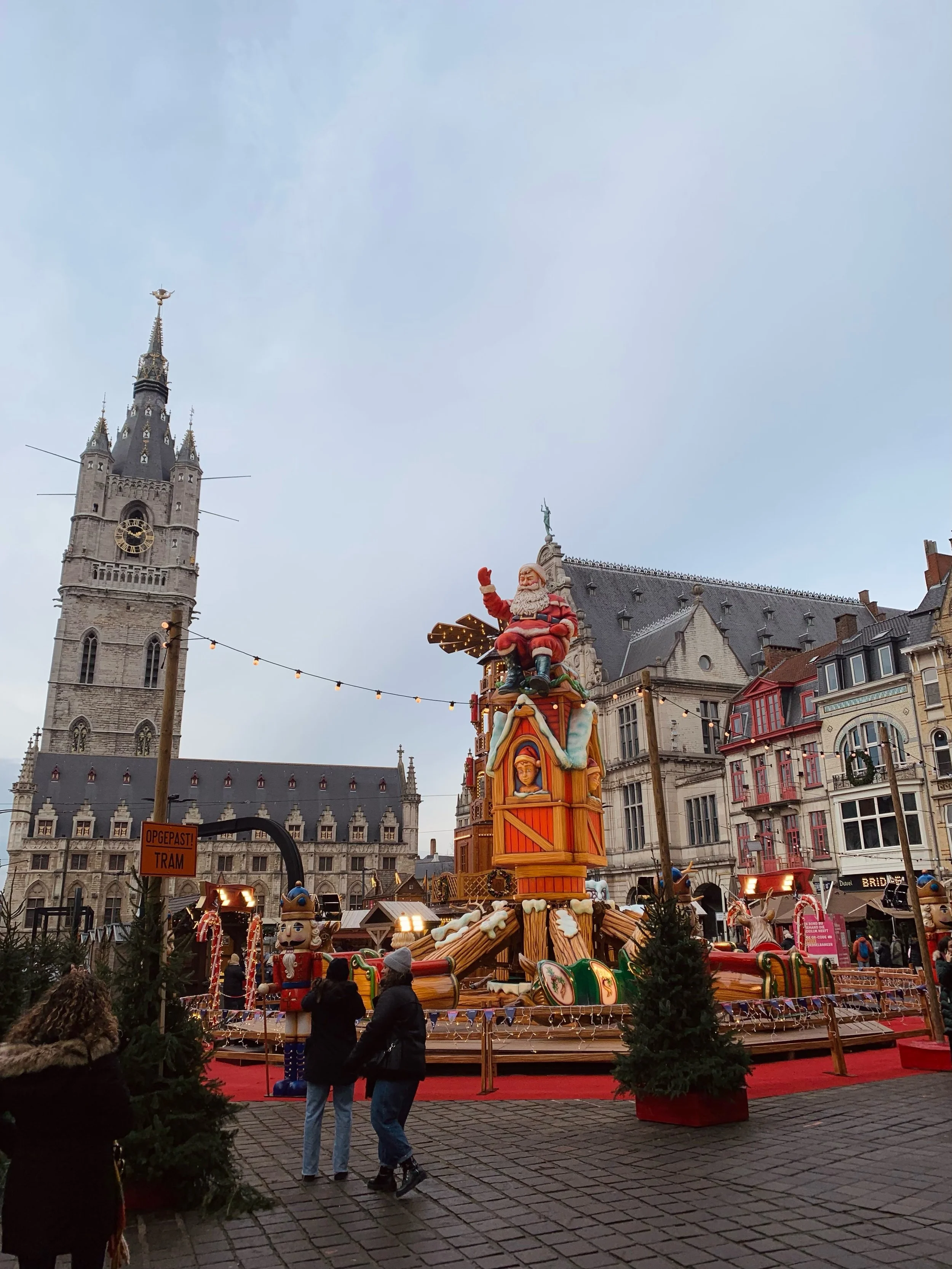
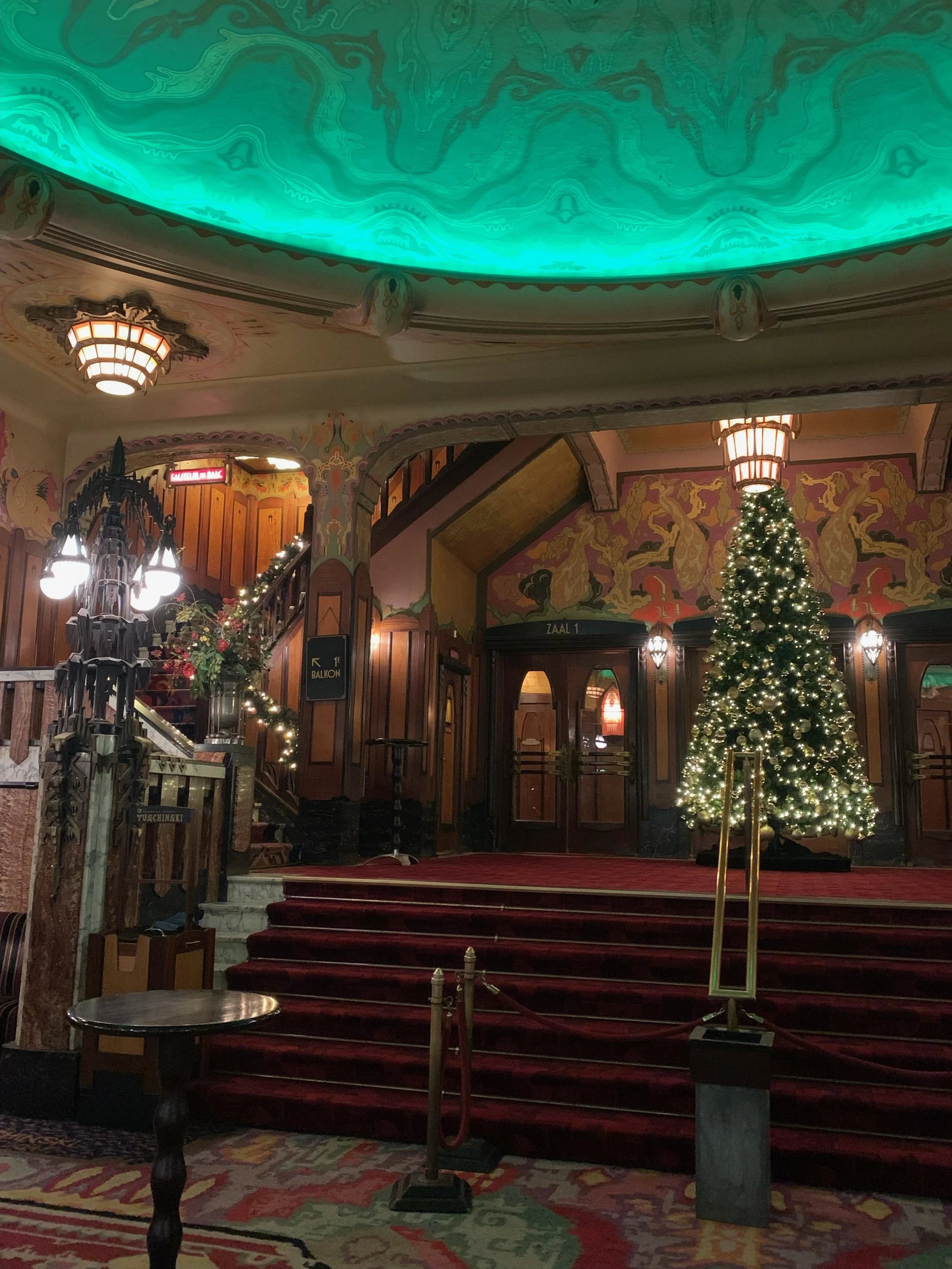
This year I spent my first Christmas away from my family. (I realized that, technically, I also did not spend my very first Christmas with my family—as I was six days old and still in Seoul.) The difficulty of Christmas in the Netherlands was mainly that it didn’t feel like Christmas because all of the traditions and obligations could not happen in the same ways. It’s sort of like the feeling of forgetting something you had to do. I never remembered what it was and the day passed.
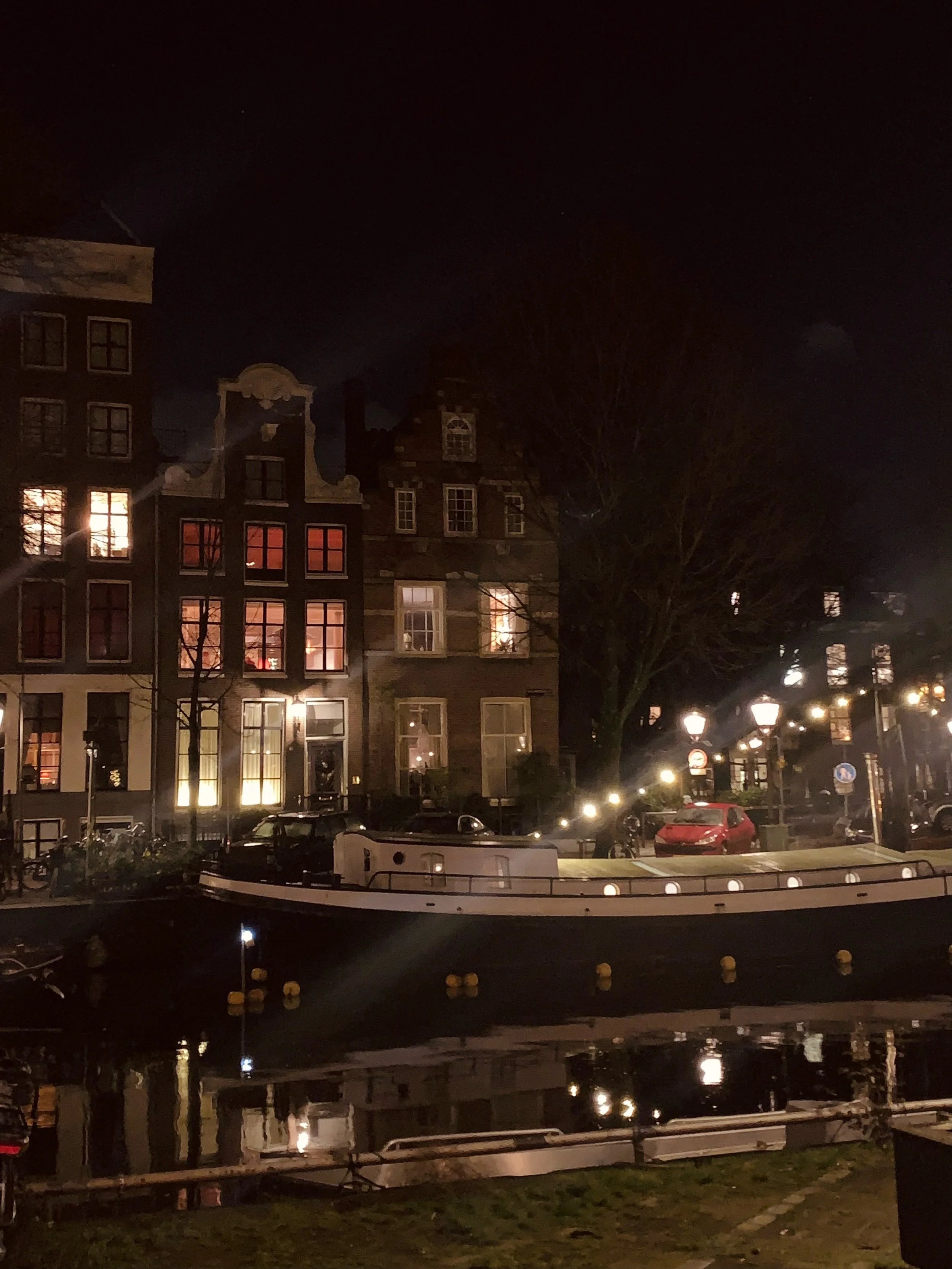
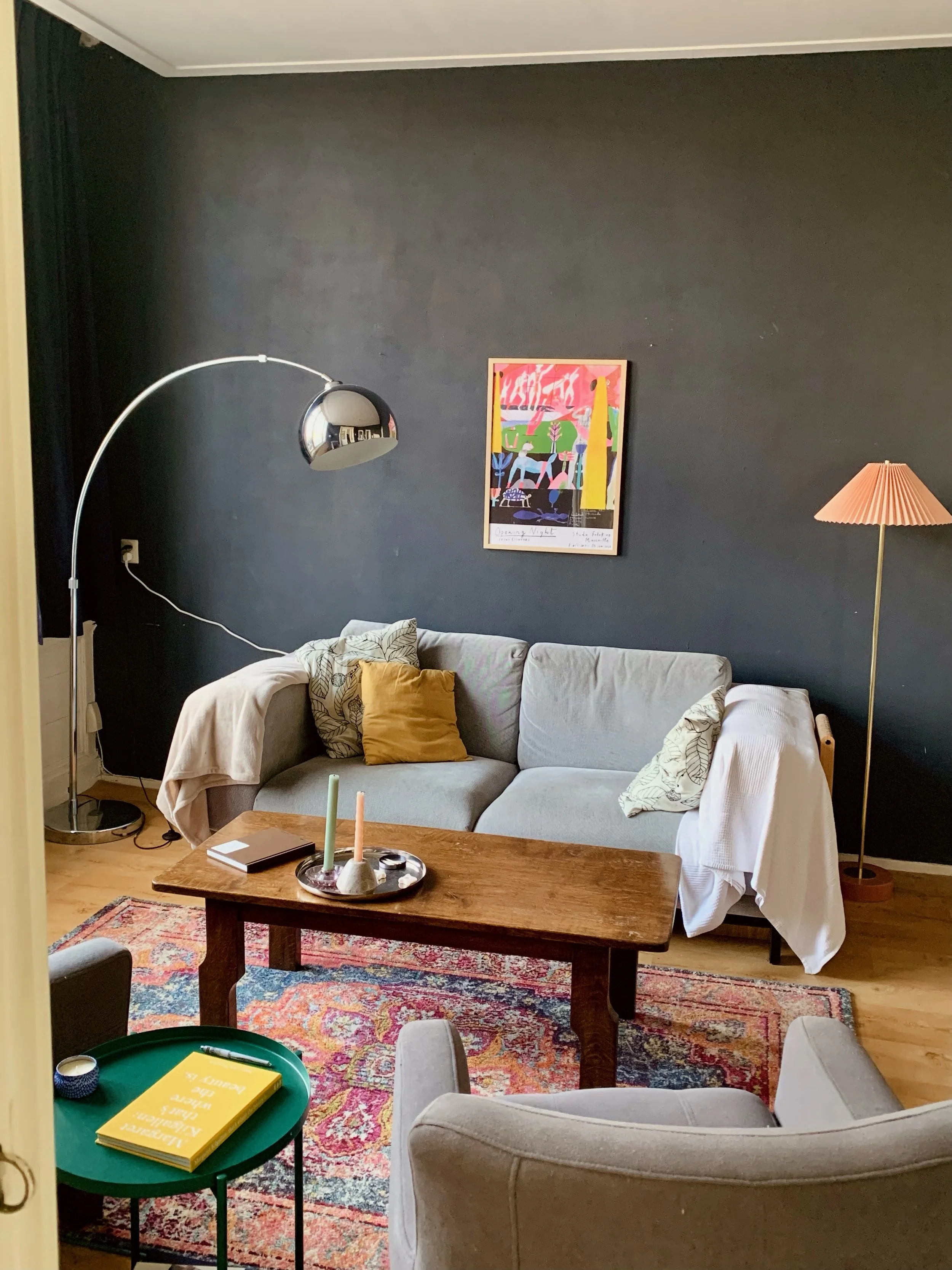
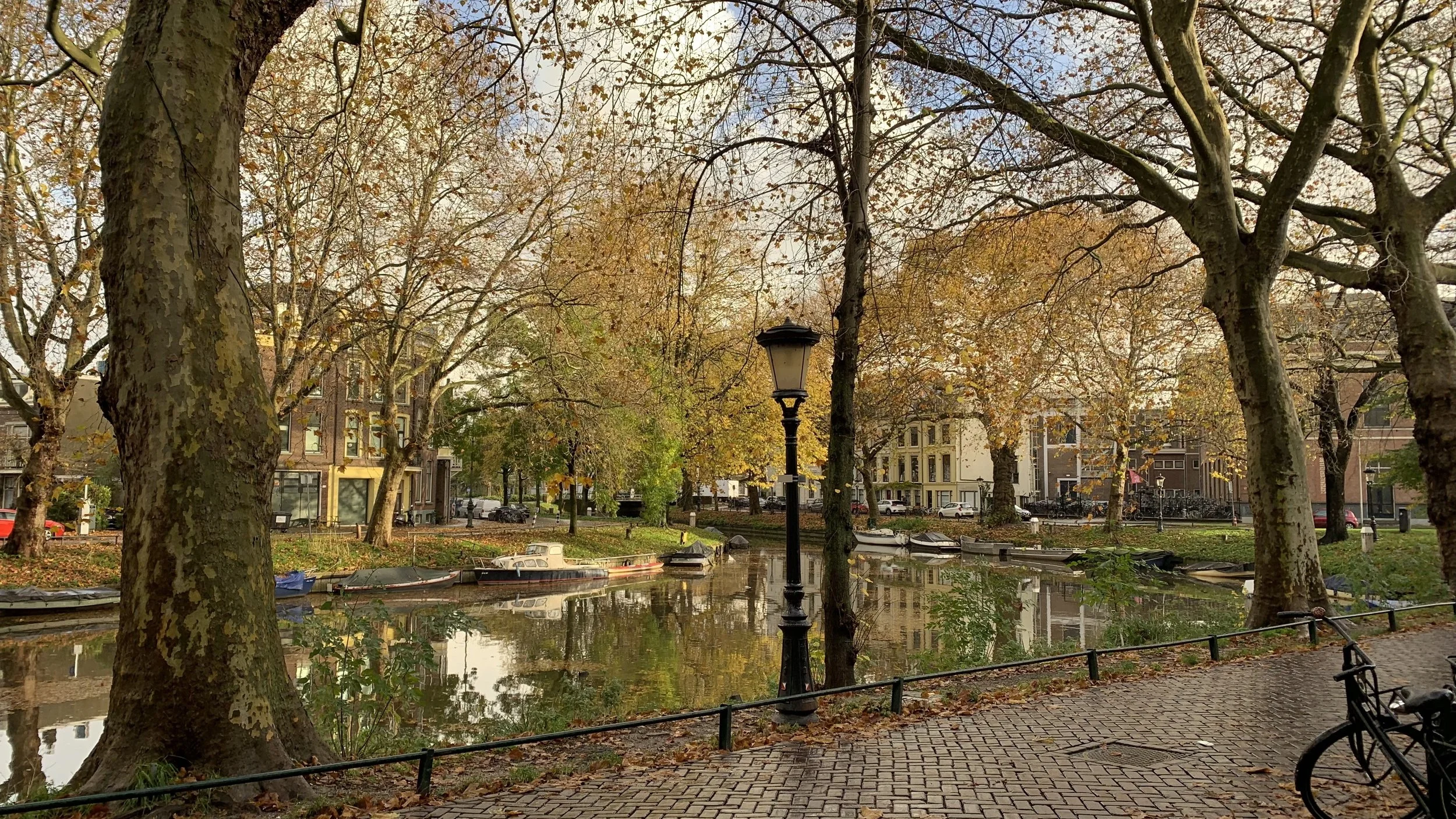
I don’t think my story begins at the moment I was picked up at the airport by my parents, but I think that’s where (or in whom) my origins lie. My locus has always been my parents’ house, where I grew up. My boarding school was a mile down the road. My elementary school a half-mile on the same road. My mom from Massachusetts, my dad from Jersey. Now, in the Netherlands, I have Kees and Bean Dip, an apartment with high ceilings and noisy radiators on the outer canal. I believe in having many origins. I am finding what it means to have one someplace new.
Locus
Hive
Focal point
I’m running away from the dead ends of the maze
Crux
Crutch
Crucial
Target
Centripetal force
Middle
Center
Soul
Soliloquy
Point of most pressure
Source?
Reason
Pull
Rote
Feature
Thesis
Argument
What I’m trying to write down
What I’m avoiding
Childhood
Trauma
Innocence
Raison d’être
Orbit
Origin story
Habit
Earth
Breath
Breadth
Bread
Readership
Bunker
Skeletons
Miracle
Sun
Poetry
Collision