The Process of Moving In - Utrecht (Week 4)
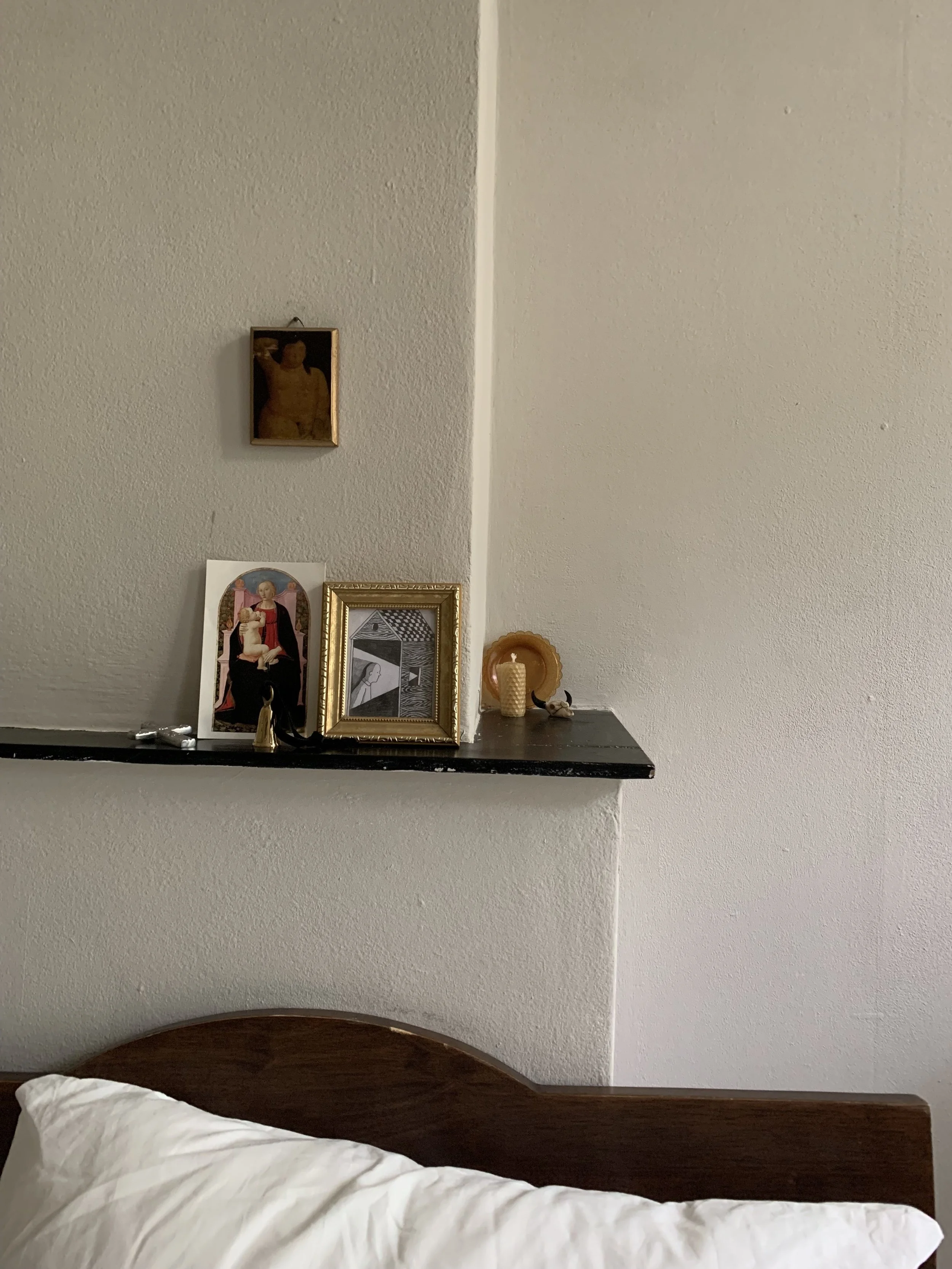
I tell [my son] that if I can survive on three continents, then there is no obstacle he cannot conquer. While the astronauts, heroes forever, spent mere hours on the moon, I have remained in this new world for nearly thirty years. I know that my achievement is quite ordinary. I am not the only man to seek his fortune far from home, and certainly I am not the first. Still, there are times I am bewildered by each mile I have traveled, each meal I have eaten, each person I have known, each room in which I have slept. As ordinary as it all appears, there are times when it is beyond my imagination.
I am holding the ending of Jhumpa Lahiri’s story “The Third and Final Continent” as a sort of prophecy. Here is the process of moving from an Airbnb to a long-term apartment in Utrecht.
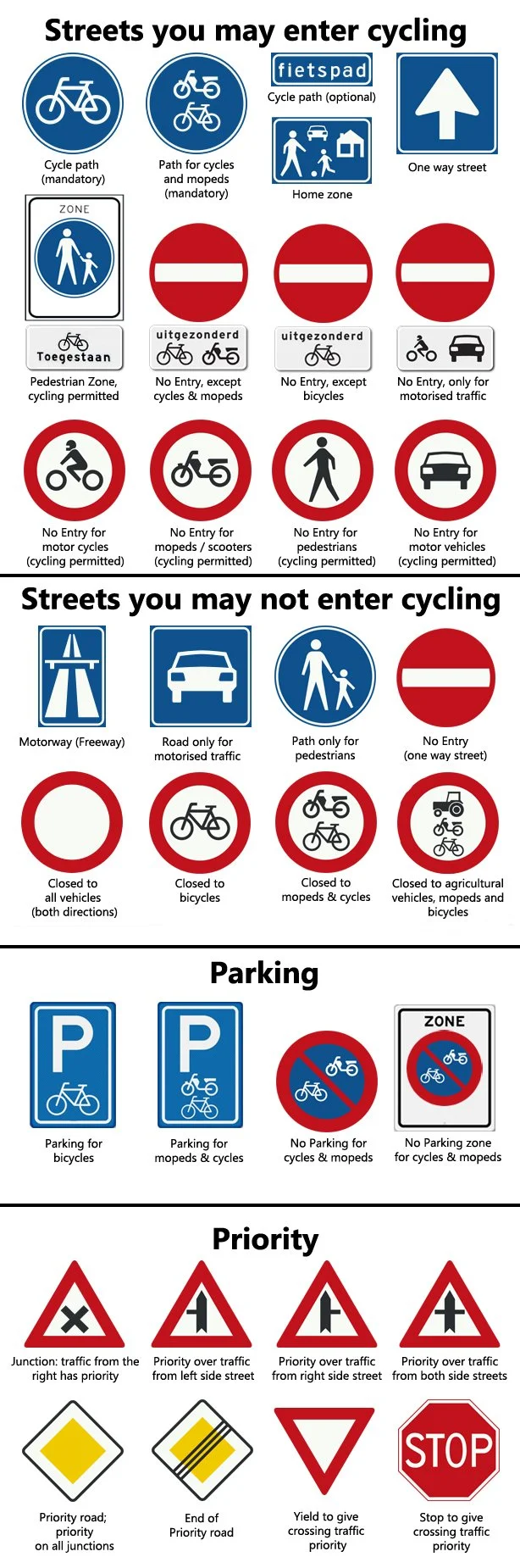
The first thing you do, after sleeping off the jetlag and waking up each time with a dry mouth, is buy a bike. The locals you meet will assure you it’s a priority. You learn the ways of the road. Bikers have the right of way. Pedestrians beware; look both ways twice or three times before crossing a bike path on foot. A bell dinging means someone is in a biker’s way (i.e. a flock of pedestrians or another biker taking up too much road). Pointing is your blinker. Do a quick internet look-up of the road signs. Quite simple.
Get the keys to your apartment. For some reason, the realtor people keep having to turn around because they’ve grabbed the wrong keys. You imagine their desk drawers just full of keys, a brimming pot of silver and rust - the only remaining tangible items kept in the office because the lease agreements and quality checks are all done on iPads. The realtor guy who comes to give you the keys takes note of the closet in the hallway with the rotted out floor. He takes note of the meter readings for gas, electric and water. He gives you ten keys. Two sets of four and two extras.
The electric company quotes you at €600 a month. This is unfeasible and must be a mistake. Call them multiple times to make sure it’s lowered.
Over the following three weeks, begin to fill your house with necessary furniture. Remove the wall-to-wall carpets. Schedule a bulk trash pick-up with the Gemeente Utrecht. One morning between 7:00 and 8:00 AM, you put the pile of carpet out in front of the apartment and the next morning it is gone. Scour Facebook Marketplace for cheap items. Start to maneuver the Dutch version of Craigslist called Marktplaats. Visit the secondhand stores of Kringloop de Arm. Yes, go to the Ikea, that museum of multiple rooms you cannot afford.
All of the strangers you meet through Facebook Marketplace are friendly. You meet a man from Hawaii whose Dutch wife is carrying twins. They sell you a mini fridge. You find two free sofa chairs a thirty-minute drive away. They just fit in the rental car. The little boy of the woman who gives you them pretends to help you lift the chairs into the trunk. You tell him he is really strong. He says, “Yeah.” A man who is giving away a coffee table for free rescinds his offer by telling you he is now getting a couch to match the coffee table and will not be giving it away for free for another 10-15 months. You realize it’s for the better, as he is probably crazy anyway. A young student gives you a bookshelf for free. You carry it down three flights of the steepest stairs you’ve ever climbed. You wonder how old people manage. You wonder about baby gates. You feel like living on the ground floor (“Floor 0”) is a blessing.
If you are an EU citizen, make an appointment at the municipal building so you can register with the municipality of Utrecht. You have to have an address to do so. Even if you move within the same city, the city of Utrecht needs to know. If you are not an EU citizen, submit your residence permit application. Once you are registered you are able to get a Dutch cell phone number, a Dutch bank account, a train travel card, and many other important and useful things. Until then, you have to use cash at the grocery stores not in the city center, or else your American Mastercard will work and not charge you exchange rate fees. Keep in mind that your American dollars are not worth as much as the Big Strong European Euro, so your €3 pack of charcuterie meat is actually around $3.40. Still a steal for prosciutto.
You discover some things are expensive here (lamps/lampen, chairs/stoelen) and some are less easily found (dressers/ladekasten). Besides not having a fridge, a washer and dryer, and an oven, your new apartment doesn’t have sufficient lighting, so lampen becomes a constant search.
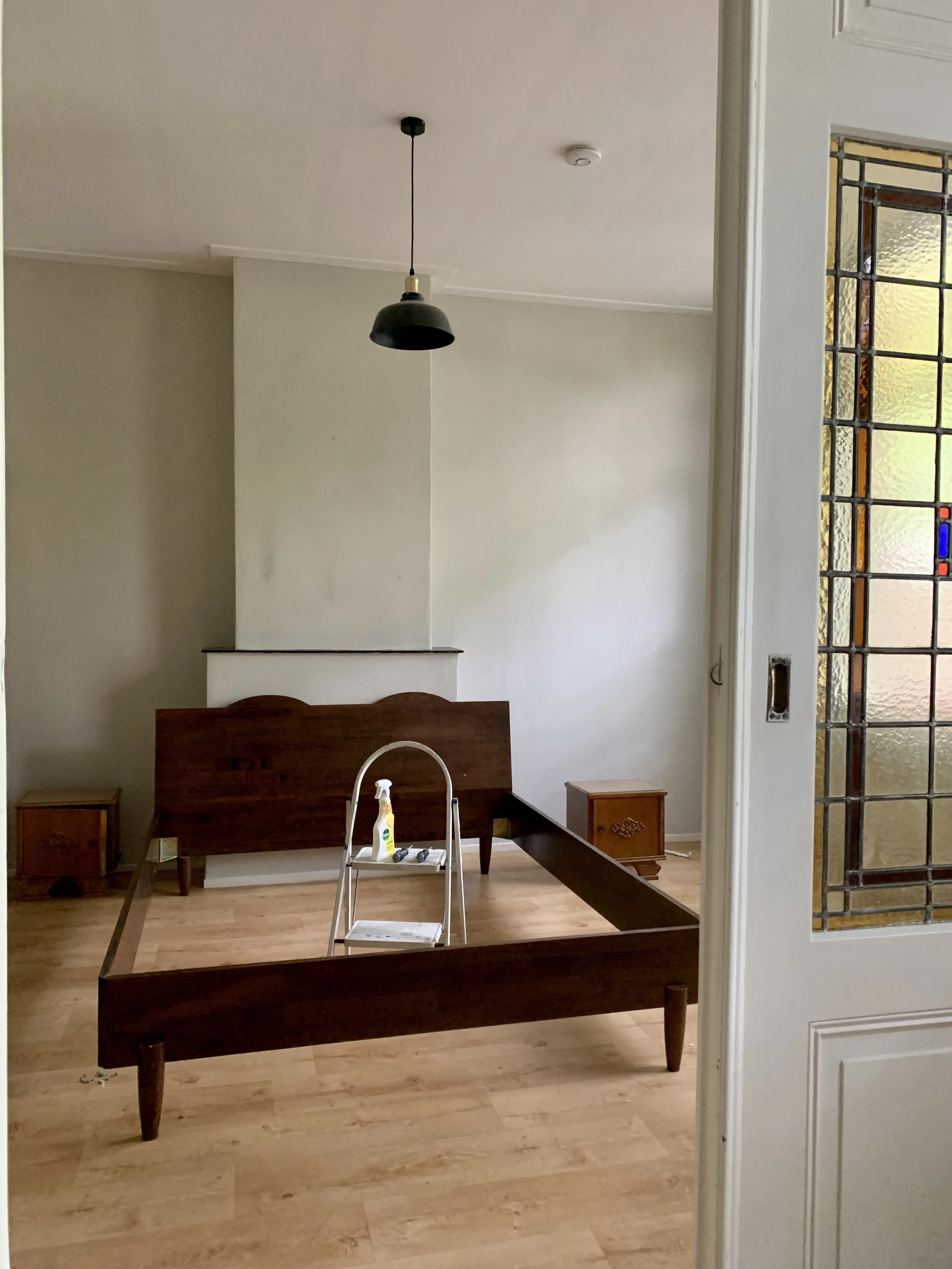
Under the carpet, the new apartment has vinyl floors that look like warm wood. It has large North facing windows that look out onto a quaint stretch of canal. It has a whole kitchen with a connecting “backyard.” It has a tiny room with just a toilet and a shelf, and it has a separate badkamer with the shower and sink. It has sliding doors to the bedroom/slaapkamer with stain glass windows, which stubbornly still open and close. It has shoddily painted walls of dark blue in the living room/woonkamer and burnt red in the kitchen/keuken. There are paint spots on the trim and areas that look as though the painter gave up or ran out of paint. But you get used to them. And you’ll get used to the weird smell of the vinyl floors and the high-pitch buzz of the gas stove. Each consecutive day you’ll get used to the apartment a little bit more. You understand that your senses are on high alert. You feel like some kind of fearful animal, released into a new atmosphere where all the smells smell different and all the sounds sound weird. Maybe because that is what you are, even though you know you’re safe. You try to remember that this moment and even this entire day will be lost amongst a greater telling, that even though none of this is extraordinary, it can still bewilder. Each day you acquire new freedoms. Like buying a basket for your bike, walking to the grocery store for dinner ingredients, finishing a book on your couch. Slowly things start to become your things - ownership as type of freedom. You form patterns. You have favorite ways of getting home. The smells become your smells. There are fresh flowers on the mantel because you put them there.