Pig on Grass - Reflection from Utrecht (Week 3)
A few days ago I had finished all the unread books I brought with me from the States. Kees was trying to do some work on the computer and I assume he could sense my restless energy. He told me he was going to run an errand and came back with two new books that had caught my interest at the close-by Boekenbar (“books bar”). One was The Penguin Book of Korean Short Stories (& the other Emma Cline’s newest novel The Guest). A Penguin collection of short stories can be a difficult task to complete in one time period; I’ve had to pause and return to their Book of Italian Short Stories and Book of Japanese Short Stories, but this one I am breezing right through - perhaps due to my personal interest in Korean culture and literature, but I also credit my long, necessary expanses of rest at the Airbnb.
The book is organized by themes; the first is “Tradition.” Without going too in-depth, I find the essence of Korean fiction as one of somber truth. Almost all that I’ve read (including Min Jin Lee’s Pachinko, Juhae Kim’s Beasts of a Little Land, Cho Nam-ju’s Kim Ji-young, Born 1982) is historical fiction. Koreans have had a long history of occupation, annexation, and displacement. I find myself in Korea’s obedient and sensitive reputation – especially when you consider women and the roles and expectations set onto them. It would make sense that so much of tradition and storytelling involves sadness – the experiences of feeling too insignificant, too poor, or too alone. What I can find peace in is the fact that they have been written down and that I am able to read them as the literary pieces they occupy space as.
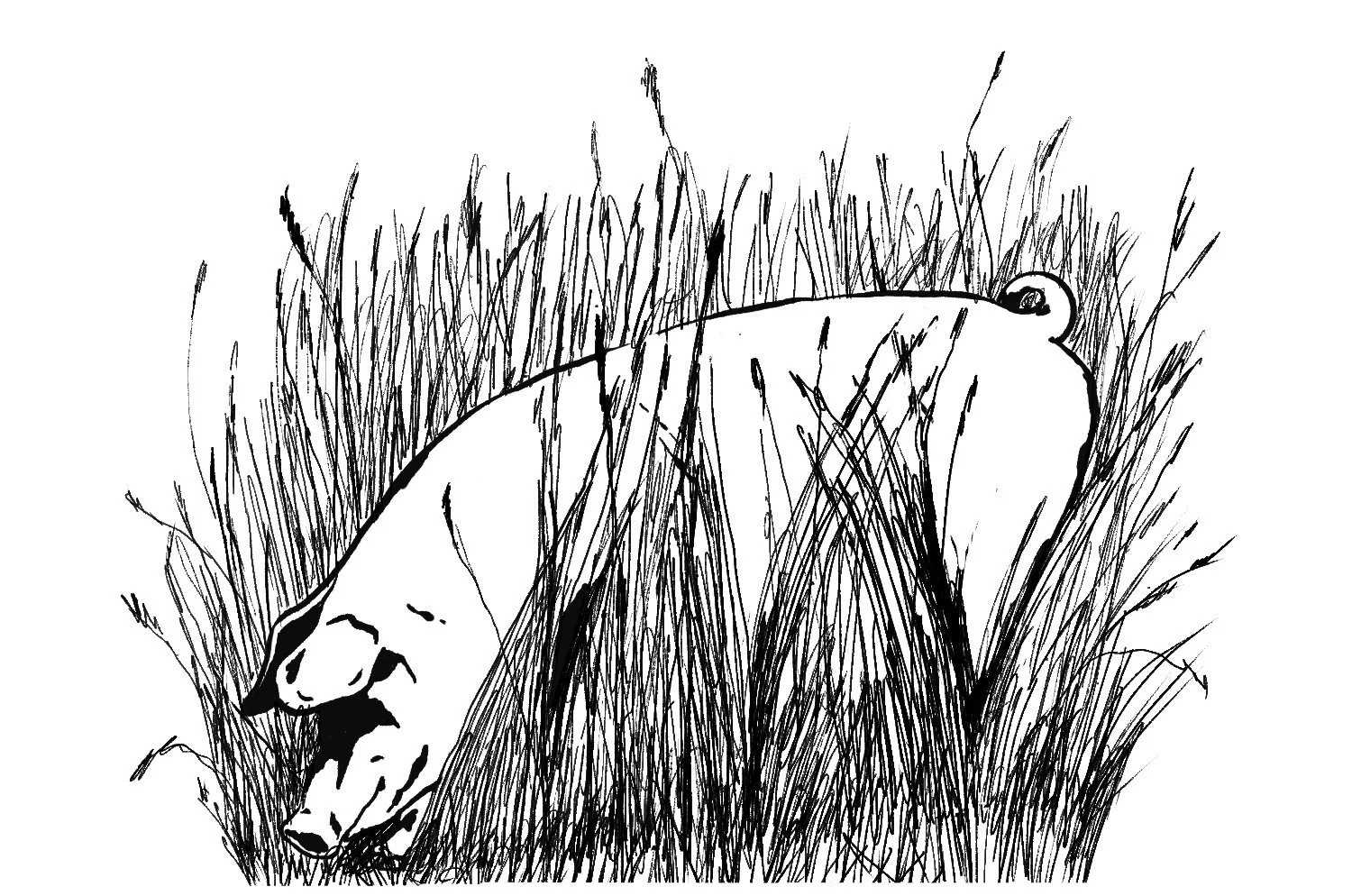
In Kim Taeyong’s story “Pig on Grass” (translated by Bruce and Ju-Chan Fulton), a man tells us about his small life with his pet pig and his yard of grass that his wife loves. He tells us how just yesterday they were all three lying in the grass when his wife dozed off and he counted the wrinkles in her face. “It’s those two dozen wrinkles that make her face hers.” Later on, his son visits and we find out that the wife has actually died last year. Our protagonist has dementia. He continues telling us about their life together, how because of her, he doesn’t eat meat:
She’s obeying to the letter her doctor’s dictum that if she wants to live longer she mustn’t eat meat. I myself have always preferred vegetables, but now that we’re meatless, meat is what I’m craving. Keeping a pig is a reflection of this craving. (87)
I found this statement beautiful. Now that we’re meatless, meat is what I’m craving. Keeping a pig is a reflection of this craving. The idea of doing something as a reflection of a craving is interesting and also maybe the most inherent human act. The formula in mad-lib form is as follows (because I’m a geek):
Now that I’m (noun)-less,
(same noun) is what I’m craving.
(-ing noun aka a gerund) is a reflection of this craving.
The irony of depravity is that it makes you wish you had the thing you’re depraved of – a sort of “grass is always greener” conundrum. So instead, we find something to replace it or a way to cope without it. And in Taeyong’s story, of course his meatlessness also emphasizes his wifelessness - the irony is in that her being meatless did not give her a longer life - and the pig becomes a sort of love symbol – as if our guy has said, “Then I will love it in a different way, a more humanly way.”
I tried writing some of my own…
Now that I’m without language,
understanding is what I’m craving.
Reading is a reflection of this craving.
Now that I’m streetless,
a tether is what I’m craving.
Locking my bike to yours is a reflection of this craving.
Now that I’m routineless,
solemnity is what I’m craving.
Crying is a reflection of this craving.
Now that I’m routineless,
ceremony is what I’m craving.
Drinking the coffee while it’s still piping hot is a reflection of this craving.
Now that I’m new,
old is what I’m craving.
Collecting all this worn wood is a reflection of this craving.
Now that I’m childless,
a child is what I crave.
The urge to feed the cats that visit my window is a reflection of this craving.
Now that I’m commuteless,
a commute is what I crave.
Listening to the same songs every morning is a reflection of this craving.
Now that I’m mountainless,
a mountain is what I crave.
Turning the ceramic cups upside down to dry is a reflection of this craving.
- - -
As a poet, I’ve always found great lines in imitating other poets and writers. I think this structure allows for longing, irony, sarcasm, confession and humor as well. My assignment - if you’ve made it this far - is to write your own in the comments, please. You can put a pen name if you want. :)